culture
brief.
Amplify & Create
Give the work a role.
A wardrobe joke, a makeup brush, a costume, an invitation, a day out and a home collection. Six September exhibits show different ways for a brand to enter a creator’s work. Coverage ends September 24.
Coverage through 2026-09-24
A clothing partnership starts with nowhere to put it.
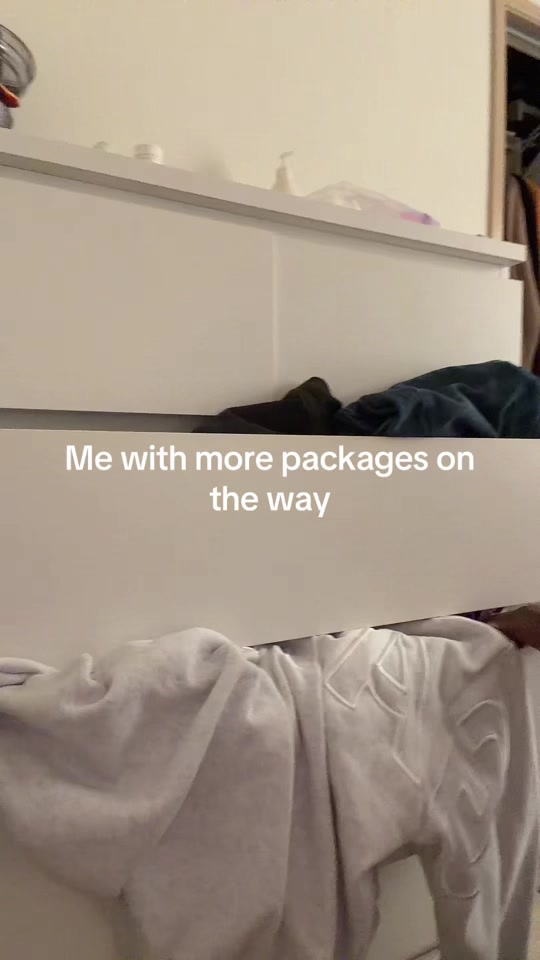
“No cause it’s gotta fit somehow”
View original ↗ · 2026-09-15
Temi’s September 15 caption turns a familiar clothing problem into the opening joke. It names Garage and includes the partnership tag. That gives the reader a concrete commercial connection without having to infer one from a logo or from the clothes alone.
The useful premise is a recognizable everyday predicament. It can give a clothing brand a role in the creator’s usual humor while leaving the audience something to respond to beyond a shopping instruction. The brief can begin with the predicament and let the product enter where the joke needs it.
Brief a creator around a real wardrobe frustration. Let them write the joke in their own voice and make the commercial relationship clear.
The makeup expert puts her name on a tool.
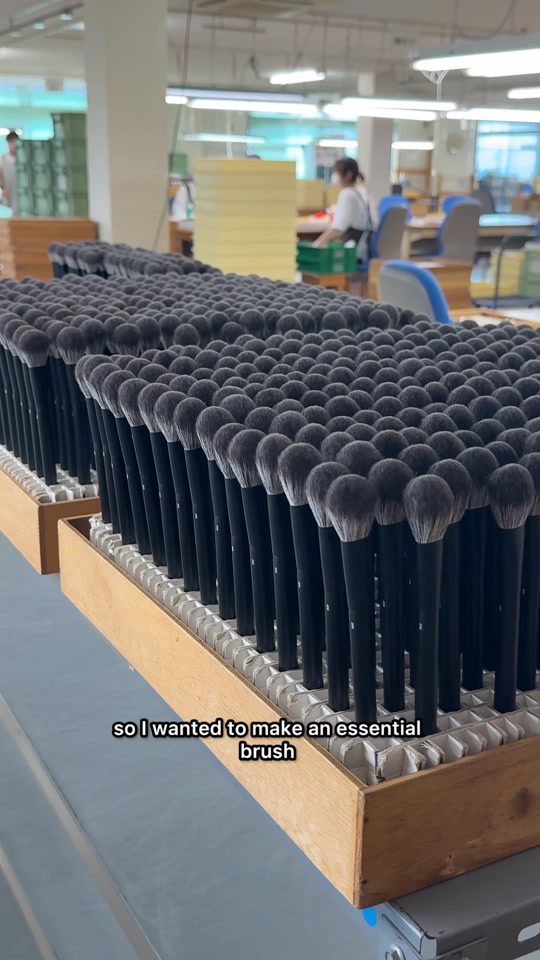
“After two years in the making I’m finally releasing my own brush”
View original ↗ · 2026-09-15
Judy Lim’s September 15 post announces a brush developed with rephr. Her caption identifies the JL17 Everyday complexion brush, gives a September 17 launch date and describes an intention to honor Japanese brush-making heritage. It also promises follow-up explanations of the product.
The creator’s role extends into the object itself. That changes the potential story: viewers can hear why a practitioner wanted a particular tool and what choices shaped it. Her promise of follow-up videos gives the product introduction somewhere to go: into explanations and demonstrations of those choices.
Invite a practitioner to solve one specific problem in a tool they use. Publish their design choices and demonstrations alongside the launch.
The commission is a costume—and a story about making it.
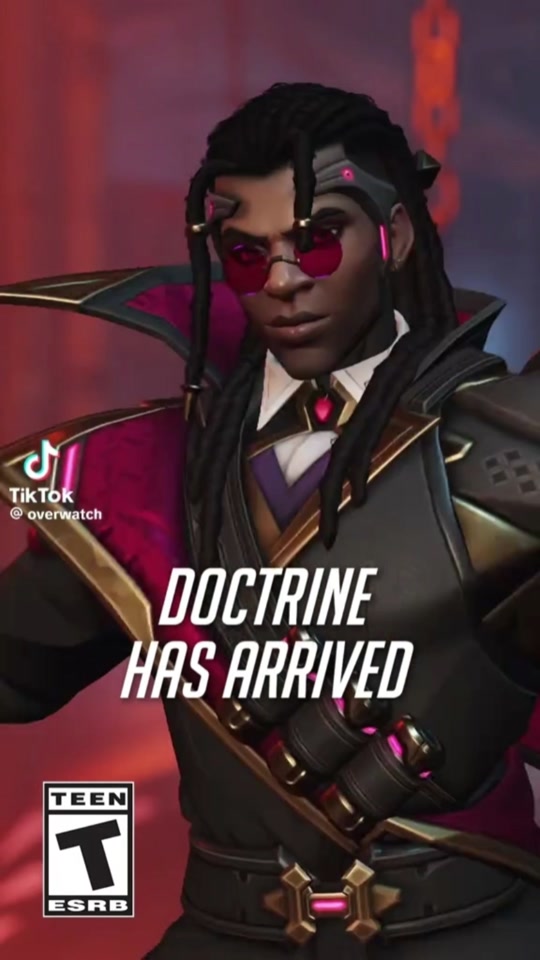
“I was hired to create a cosplay for BlizzCon 2026”
View original ↗ · 2026-09-18
In a September 18 post, @djcroft identifies the work as a hired Overwatch cosplay for BlizzCon and names the character Doctrine. The caption discusses the partnership and meeting fans. The creator makes the commission explicit rather than leaving its status for viewers to guess.
A commission can give a craft creator both a brief and a reason to explain the finished work. The audience gets an individual maker’s account of a larger entertainment property. The opportunity is to respect that expertise and give the craft enough space, rather than treating the costume as a prop for a generic endorsement.
Commission a maker with a distinctive practice and fund a companion account of their process. Credit the maker wherever the finished work appears.
The host’s taste becomes an invitation people can send.
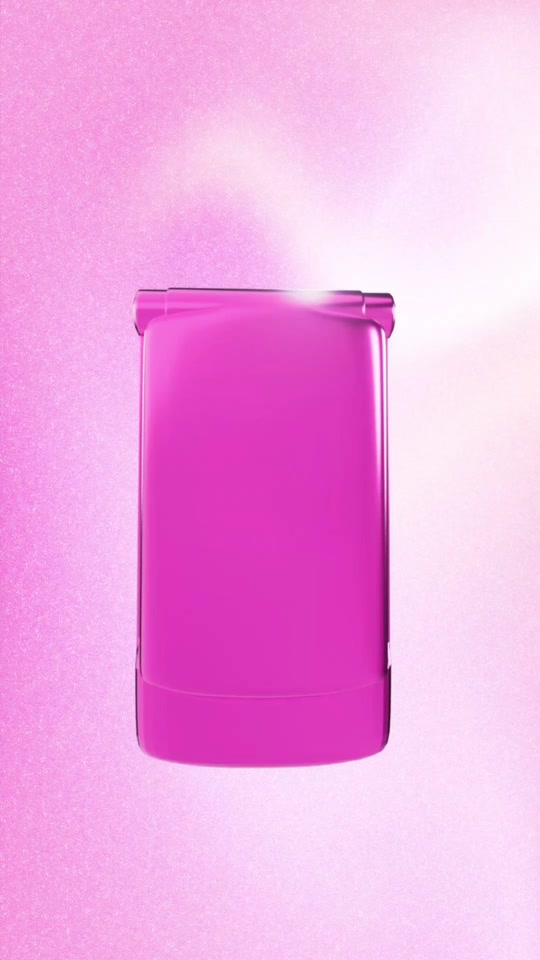
“I’ve partnered with @Paperless Post”
View original ↗ · 2026-09-14
Paris Hilton’s September 14 post announces a collection of digital invitations with Paperless Post. Her caption names occasions including birthdays, dance parties and bachelorette celebrations, and describes sharing the designs through texts or direct messages. The artifact is a product introduction with a clearly stated partnership.
The extension is into something an audience can use in its own social life. A recognizable taste becomes a small part of how someone else hosts an event. The design challenge is therefore practical as well as expressive: the object needs to work for the person sending it, not only resemble the collaborator.
Translate a creator’s style into a useful social object—an invitation, playlist or hosting kit that fans can make their own.
A launch becomes a day out in Queenstown.
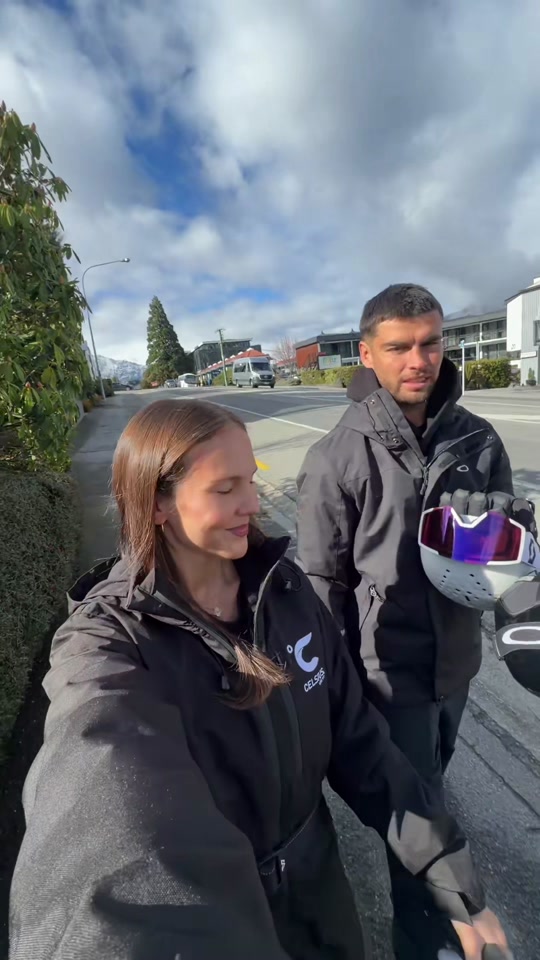
“Come along for another day with me in Queenstown”
View original ↗ · 2026-09-17
Hannah Pearson’s September 17 post places the Celsius ANZ sparkling-orange launch inside a day-in-the-life invitation from Queenstown. The caption names the launch and explicitly includes both an ad label and a brand-ambassador tag. Place and occasion sit alongside the commercial disclosure.
The format offers a way into a launch through a person’s day. The destination supplies a setting; the creator supplies a perspective. A stronger brief starts with what is worth experiencing in the place and then works out the brand’s role.
Build a launch around an experience the creator would enjoy documenting. Give them room to tell the day’s story, with the partnership visible.
A music identity moves into the home.
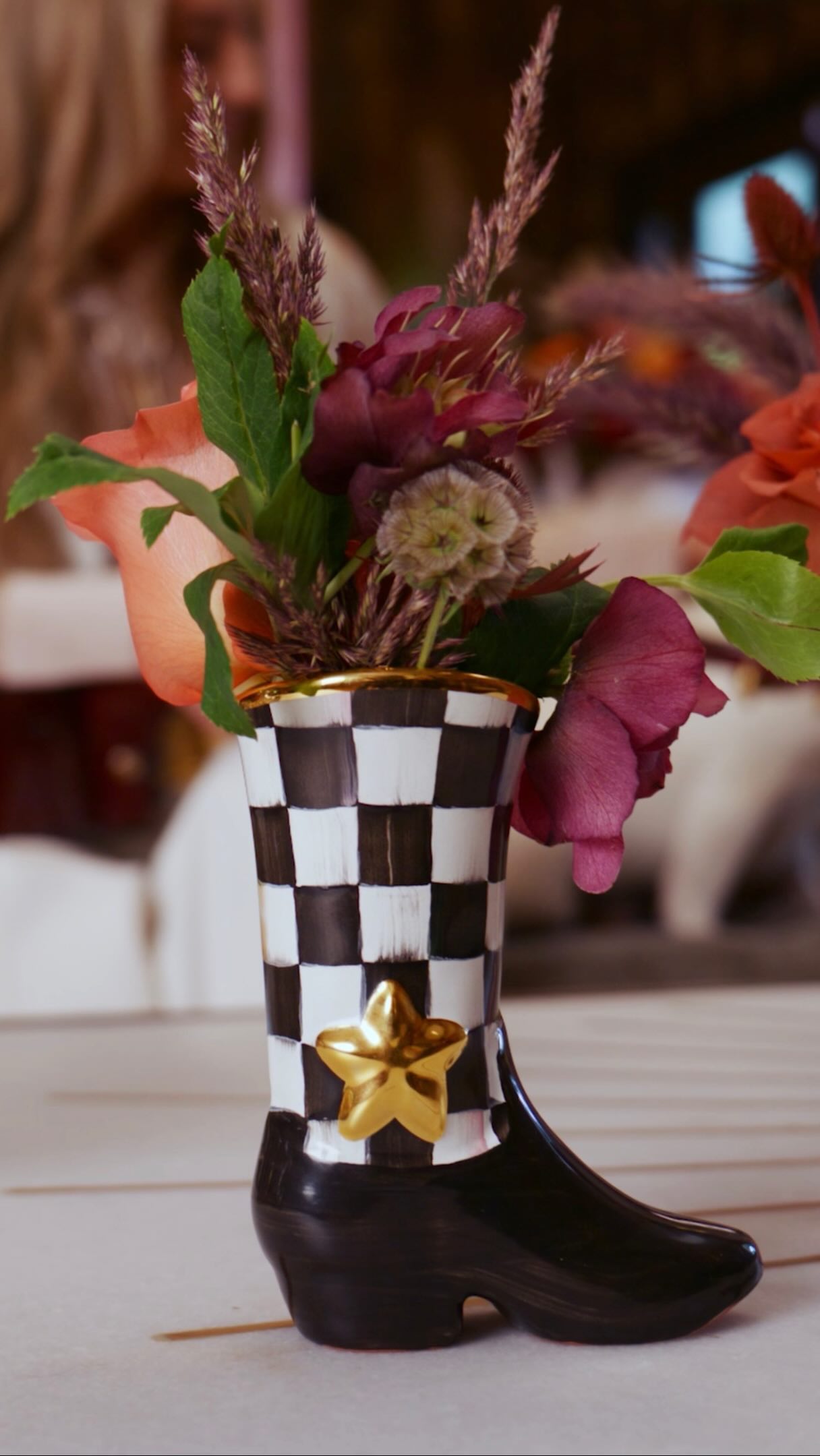
Lainey Wilson × MacKenzie-Childs: collection preview
View original brand post ↗ · 2026-09-17
MacKenzie-Childs published a first look at its Lainey Wilson collection on September 17, announcing a September 21 launch and earlier access for loyalty members. The brand’s own caption connects the pieces to Wilson’s artistry and craftsmanship. This is the brand’s preview post, not a claim that Wilson uploaded it herself.
The creative question is whether a familiar artistic identity can take a useful form in another setting. A collection offers more possibilities than a one-off endorsement, but the objects still have to stand on their own. The announced release date gives the preview a destination and the audience a reason to return.
Choose a collaborator whose visual world can inform an object people will use. Show what changed in the design because that person was involved.
Amplify & Create
Useful partnerships have a part to play: supply a setting, support a craft, solve a practical problem or help an audience do something. Decide what the collaboration adds to the work before deciding how often the brand appears.