culture
brief.
Amplify & Create
Let them inside.
A stage, a wish, a travel list, an arcade, an interview and a laboratory. July’s six exhibits show what happens when creators get access to something worth making a story about.
Coverage through 2026-07-31
The performance gets a second life as a making-of.

How I Performed At The World Cup Finals!
View original ↗ · 2026-07-26
IShowSpeed’s July upload packages a World Cup performance as a creator story. Its chapter list begins with making the song, moves into filming the music video, and then follows the World Cup tour. The event has a production diary attached to it, published on his own channel.
The interesting shift is in where the story starts. A stage appearance is the visible endpoint; the creator can also publish the route that led there. For a brand, the preparation offers a different role: helping the work happen and giving viewers something to follow before the finished performance arrives.
Back a creator’s preparation and give them access to document it. Let the making-of become a work in its own right.
A wish-granting video brings a whole cast of partners.
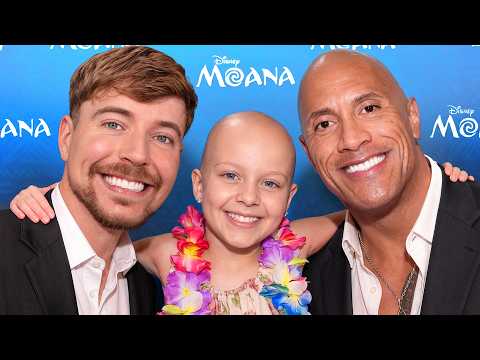
I Granted 100 Kids Their Biggest Wish!
View original ↗ · 2026-07-25
MrBeast’s July video assembles children’s wishes into a large collaborative production. The original description names Disney, wish-granting organizations, public figures and equipment contributors, and directs viewers to fundraising and blood-donation resources. These are identifiable roles in the project, rather than an anonymous sponsor list.
The useful creative lesson is the relationship between the premise and the contribution. Access, equipment and practical help can become material for the story. The partnership becomes part of what the production can accomplish.
Offer a resource that makes a participant’s experience possible. Agree on its role in the story before negotiating screen time.
A travel list becomes something a person has to try.
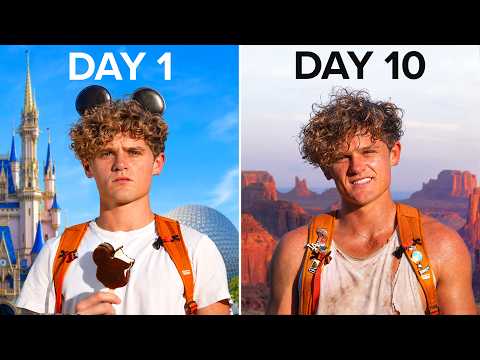
I Tried the “Top 10 Things To Do” in America
View original ↗ · 2026-07-18
Ryan Trahan takes a familiar travel-search format and puts himself inside it. The July upload promises to try a list of American activities; its description pairs that premise with an Independence Day greeting. The hook is an itinerary being tested by a recognizable host.
That framing makes a list usable as a story. Readers normally encounter recommendations as finished answers. A creator can turn the act of checking them into the entertainment, leaving room for surprise and judgment. Destinations have a role when they can offer an experience worth putting to that test.
Invite a creator to test a specific local promise. Give them enough freedom to show whether the experience delivers.
The arcade is in on the joke.

I “Cheated” Until the Arcade Banned Me
View original ↗ · 2026-07-13
Airrack’s title sells a confrontation with an arcade. His own description supplies an important correction to a literal reading: Dave & Buster’s allowed the activity, and he says the venue did not pay him. It also credits arcade specialists. The dramatic premise and the production arrangement are different things.
That distinction is the opportunity. A location can become an active setting for a creator’s format without requiring the audience to believe an actual dispute took place. Here, cooperation makes the premise possible. Presenting the video as evidence of an unsuspecting business being defeated would miss what the source discloses.
Build an authorized challenge around your venue’s distinctive features. Preserve the joke while making the collaboration clear.
The person behind the feed gets room to answer back.
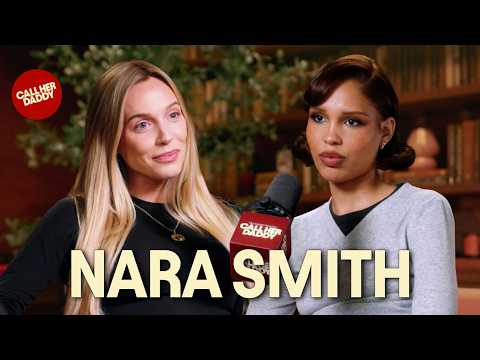
Nara Smith: Stop Calling Me a Tradwife
View original ↗ · 2026-07-29
Official episode listing and publication date ↗
Published on July 29, this Call Her Daddy interview gives Nara Smith space to address the label attached to her online work. The episode description foregrounds her career, public misconceptions and choices about what to share. It is a conversation about authorship of a public identity.
The contrast with a short, highly recognizable feed is useful: a visual style can be easy to identify while the person making it remains open to interpretation. Longer conversations provide a place to explain intentions. A brand entering that world should hear the creator’s account before turning an audience label into a campaign brief.
Commission a creator-led conversation around the thinking behind the work. Use their stated perspective to shape the partnership.
An intimidating diagram becomes the main attraction.
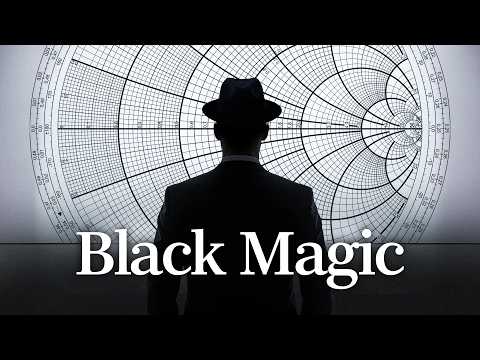
The Scariest Chart in Electrical Engineering
View original ↗ · 2026-07-14
Veritasium’s July film builds a story around the Smith chart. Its chapter list moves from waves and reflections into reading the diagram and asking whether it remains useful. The production credits identify presenter Henry van Dyck and thank Imperial College London for access to an RF anechoic chamber and help with demonstrations.
The subject is specialized, but the invitation is straightforward: stay long enough for a difficult-looking object to make sense. Access to working spaces and knowledgeable people can supply the substance of that transformation. For organizations with technical expertise, this is a more interesting starting point than asking a creator to repeat a product message.
Open a real workspace and fund a question-led demonstration. Give the creator access to the people who can explain what viewers are seeing.
Amplify & Create
The most useful contribution may be a door opened, a resource supplied or a question taken seriously. Start with what the creator can make once that access exists.